


Delegation Visit to ITER
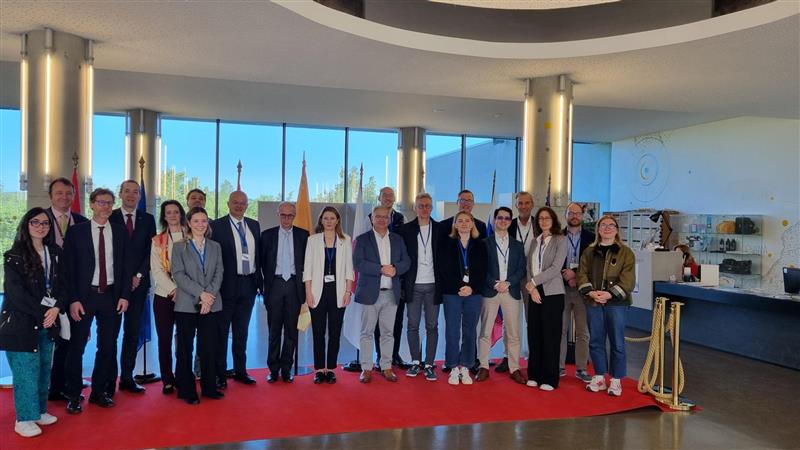
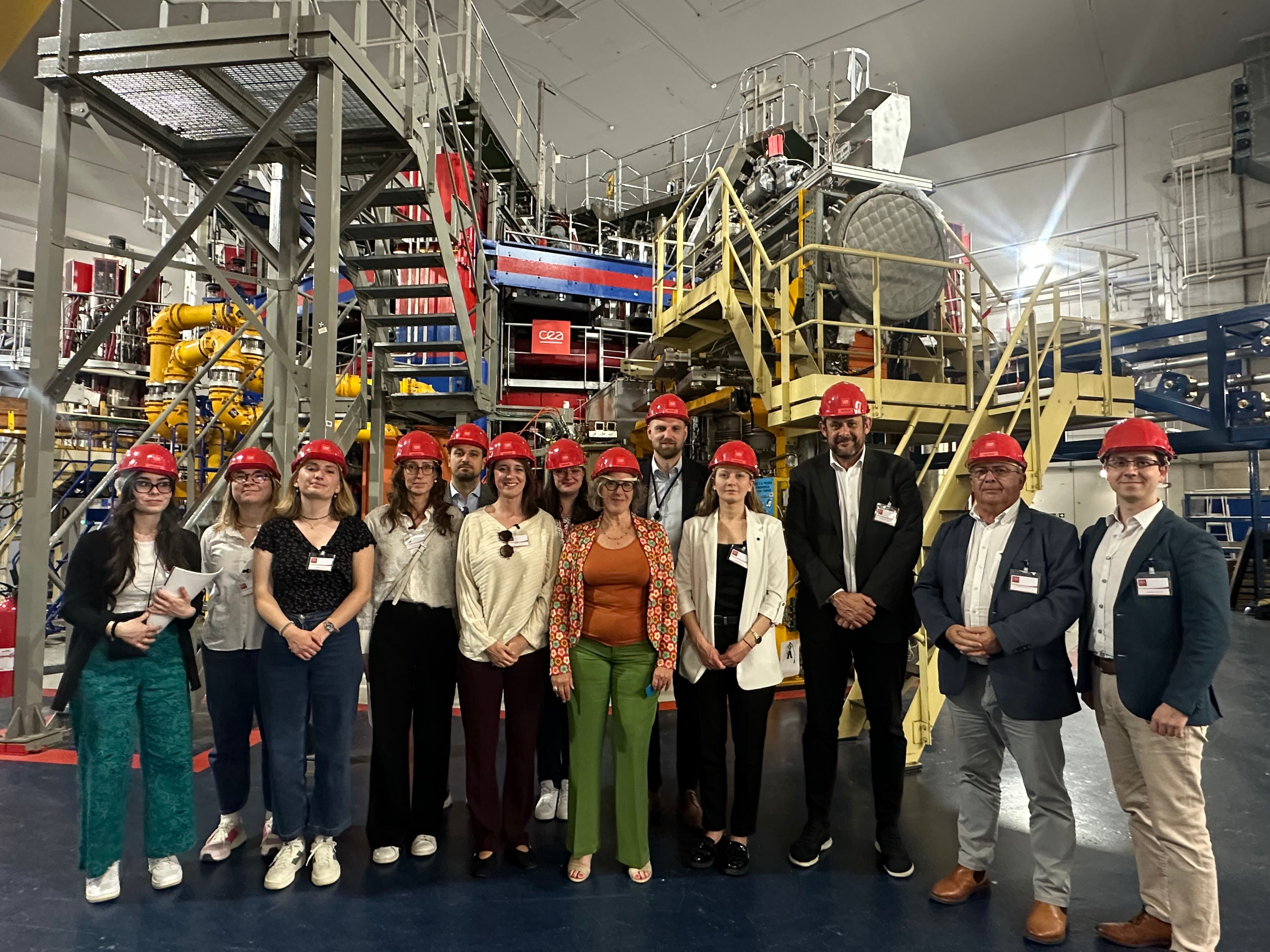
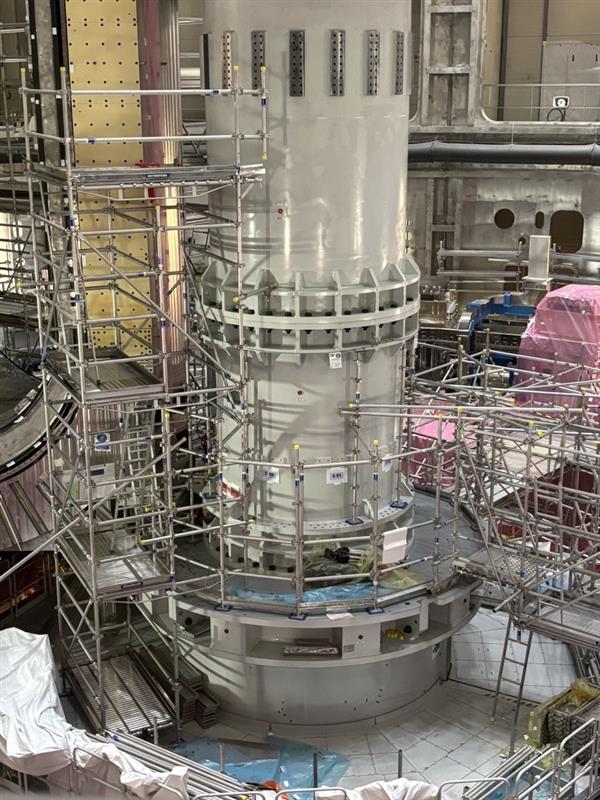
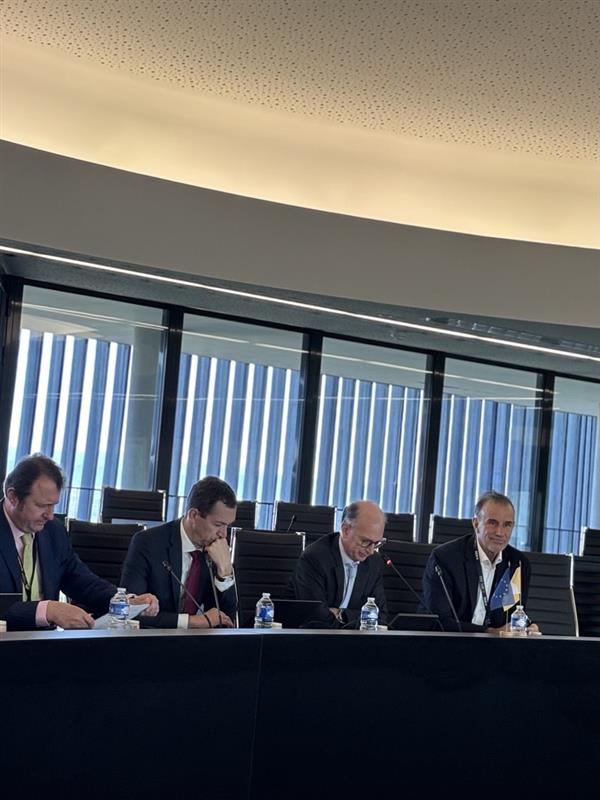
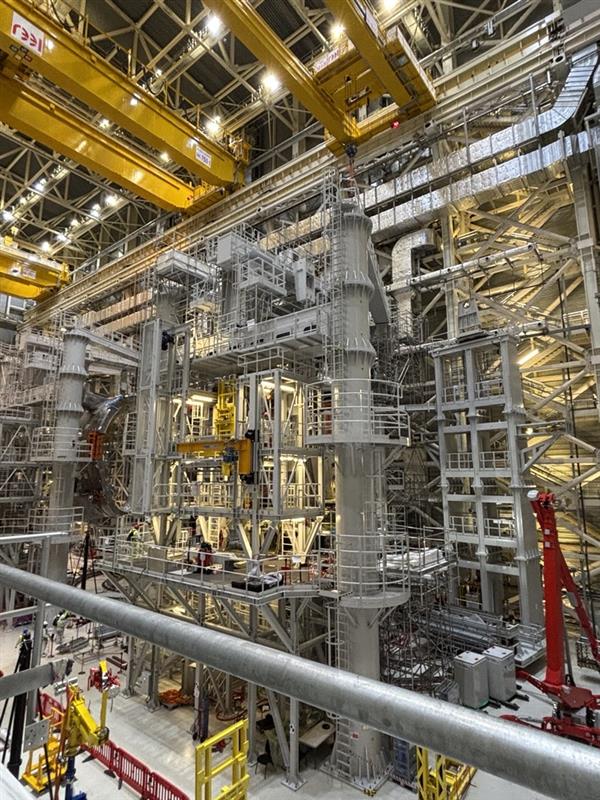
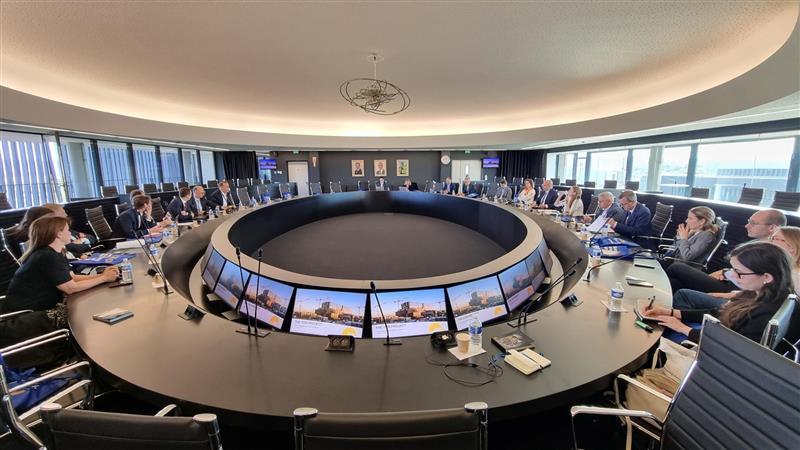
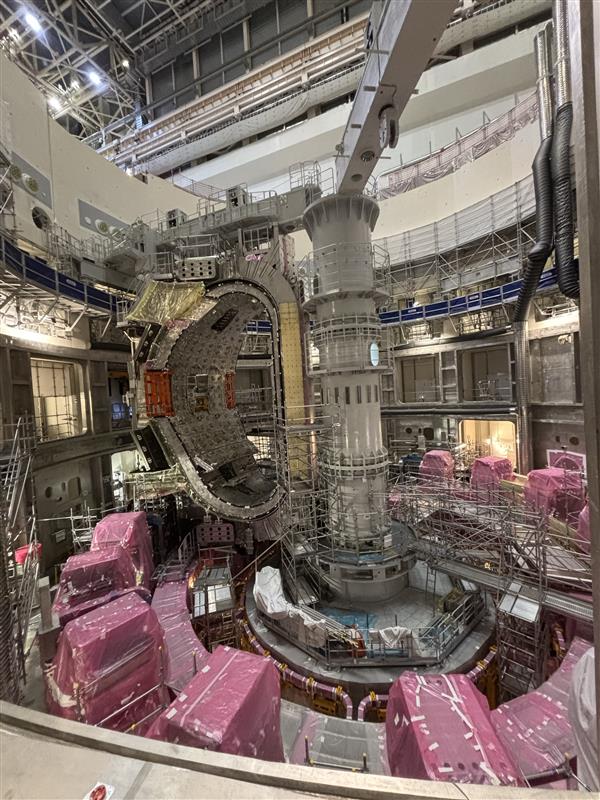
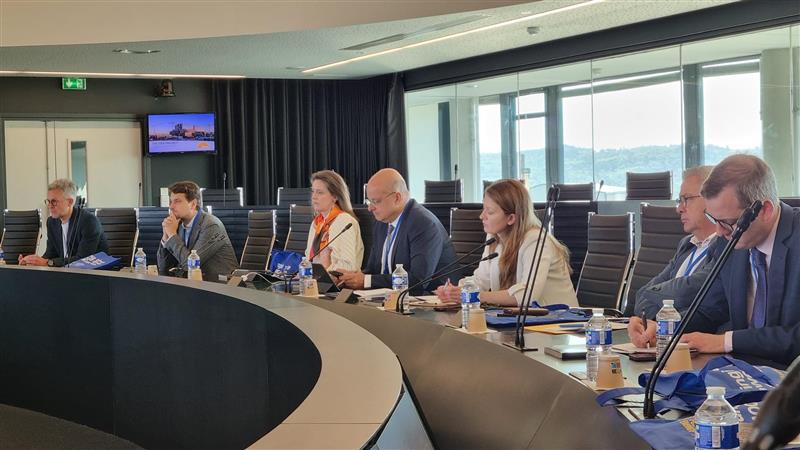
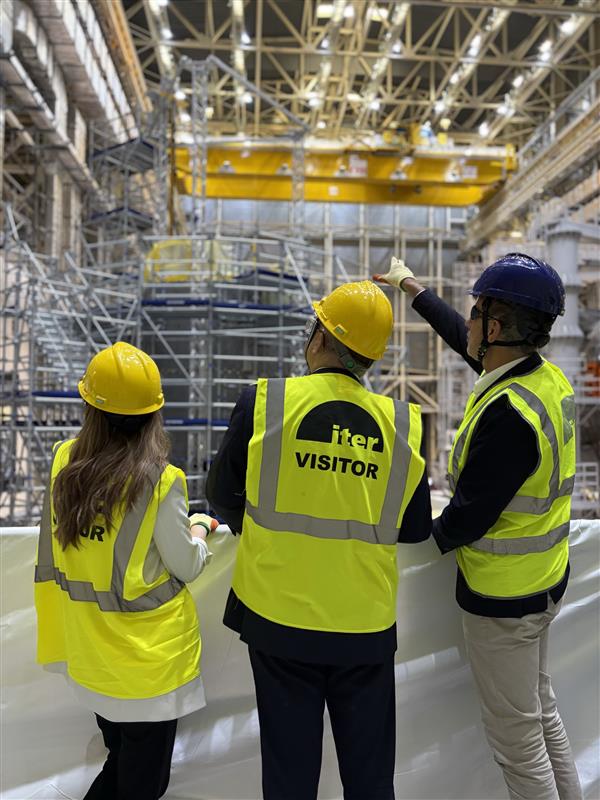
On May 22 and 23, 2025, the European Energy Forum visited the ITER site in Cadarache, France where the largest tokamak is currently built to explore the feasibility of fusion as an energy generating technology. In collaboration with the ITER Organization and the Nuclear Energy Focus Group of the European Parliament, the gathering included Members of the European Parliament, EEF Associate Members, representatives from the European Commission, and Fusion for Energy (F4E) ( the EU entity responsible for managing Europe’s contribution to ITER)
The event kicked off on the evening of May 22 with a welcome dinner, hosted by the EEF, featuring speeches that underlined the strategic importance of international collaboration in fusion energy research. Notable speakers were:
- Tsvetelina Penkova, MEP and EEF President
- Christophe Grudler, MEP and Chair of the Nuclear Energy Focus Group
- Jan Panek, Director for Nuclear Energy, Safety, and ITER at DG ENER
- Marc Lachaise, Director of F4E
- Pietro Barabaschi, ITER Organisation Director General
The occasion also fostered an informal exchange of ideas and open discussions among participants.
The following day, Massimo Garribba, Deputy Director General of DG ENER and Chair of the ITER Council, warmly welcomed the group and opened the technical visit to the world’s largest fusion energy project. This international effort, involving 33 countries, aims to prove the viability of fusion as a large-scale, carbon-free power source inspired by the process powering the Sun and stars.
Pietro Barabaschi, Director General of the ITER Organisation explained how they are building a project of unprecedented complexity and a symbol of peace and cooperation.
A few fundamentals of fusion reaction were needed to set the scene of the day: to replicate fusion on earth, two isotopes of hydrogen must be used : deuterium and tritium. Extremely high temperatures of around 150 million °C are needed on Earth to make them collide, much hotter than the Sun’s core where fusion occurs at about 15 million °C due to its strong gravity. At these temperatures, hydrogen atoms form a plasma, which is contained inside a Tokamak chamber using magnetic confinement.
ITER builds on experience from the Joint European Torus (JET) in the UK and the WEST (former Tore Supra) located in Cadarache, just some kilometres away from the ITER site.
ITER is a scientific experience whose primary objective is to achieve and study “burning plasmas,” where fusion reactions become self-sustaining. The project also tests crucial technologies for next-generation fusion reactors, including superconducting magnets, remote maintenance systems, and tritium breeding to ensure fuel self-sufficiency and aims at transferring knowledge to the industry.
Marc Lachaise, Director of Fusion for Energy ( F4E) explained the European joint undertaking’s role in providing Europe’s contribution to ITER and supporting de development of fusion projects. F4E aims at developing knowledge and talents and creating a competitive EU supply chain.
The day featured detailed technical briefings, a guided tour of the Assembly Hall and the Tokamak Building, which houses the fusion device, and an immersive Virtual Reality experience of the facility.
The delegation also visited CEA Cadarache, the French atomic and alternative energy commission’s research centre. Established in 1945, the CEA develops scientific knowledge and supports innovation across key sectors, including energy, defence, and advanced technologies. As a key partner of ITER, CEA Cadarache provides scientific expertise, infrastructure, and technical support. It researches on fusion since 1989 and in February 2025, maintained a plasma for 1337 seconds, which is the current record worldwide.
Participants got an opportunity to go in the WEST tokamak building. WEST is significantly smaller than ITER and operated separately but is critical in testing components for ITER’s future operation.